Every verified answer
becomes corporate memory.
NexOps is trained on your SOPs, manuals and databases and answers operator questions with sources. Unsolved questions become tickets instead of getting lost. It sees failures early with sensors and inspects the site with cameras; dependence on individuals drops.
Shop-floor foreman, maintenance engineer and safety eye; in one assistant
For complex machines and risky processes: it speaks from your documents, listens to sensors, sees through cameras. It never makes things up; it converts to a ticket.
SOP and document assistant
Answers the operator's question from your SOPs, instructions and manuals, citing the clause number and source. It never makes things up.
"According to SOP-CIP-014 §5.2…"Complex machine operation guide
Resolves error and alarm codes from the manual, explains setup and tool changes step by step; remembers how the same fault was solved before.
"ALARM 1041 → manual p.212"Tickets and corporate memory
An unsolved question becomes a ticket; an expert solves it, the answer is verified and enters corporate memory. It is ready for the next question; dependence on individuals drops.
"Verified · added to memory"Predictive maintenance
Monitors vibration, temperature, current and cycle data; suggests a planned stop and a work order before failure, checks spare parts.
"R-07 vibration above threshold · 6 days"Site inspection with computer vision
Detects missing PPE, restricted zones, forklift-pedestrian proximity, leaks and smoke from your existing cameras; instant alert and incident record.
"Camera 4 · no helmet · 14:02"Shift and incident reports
Questions, deviations, alerts and open work orders of the day in the shift handover report; the topic heatmap shows which document is missing.
"Shift 2 · 7 events · 2 open work orders"How does it work on your shop floor?
Pick your industry to see which questions NexOps takes on, what it monitors and how it talks to the operator.
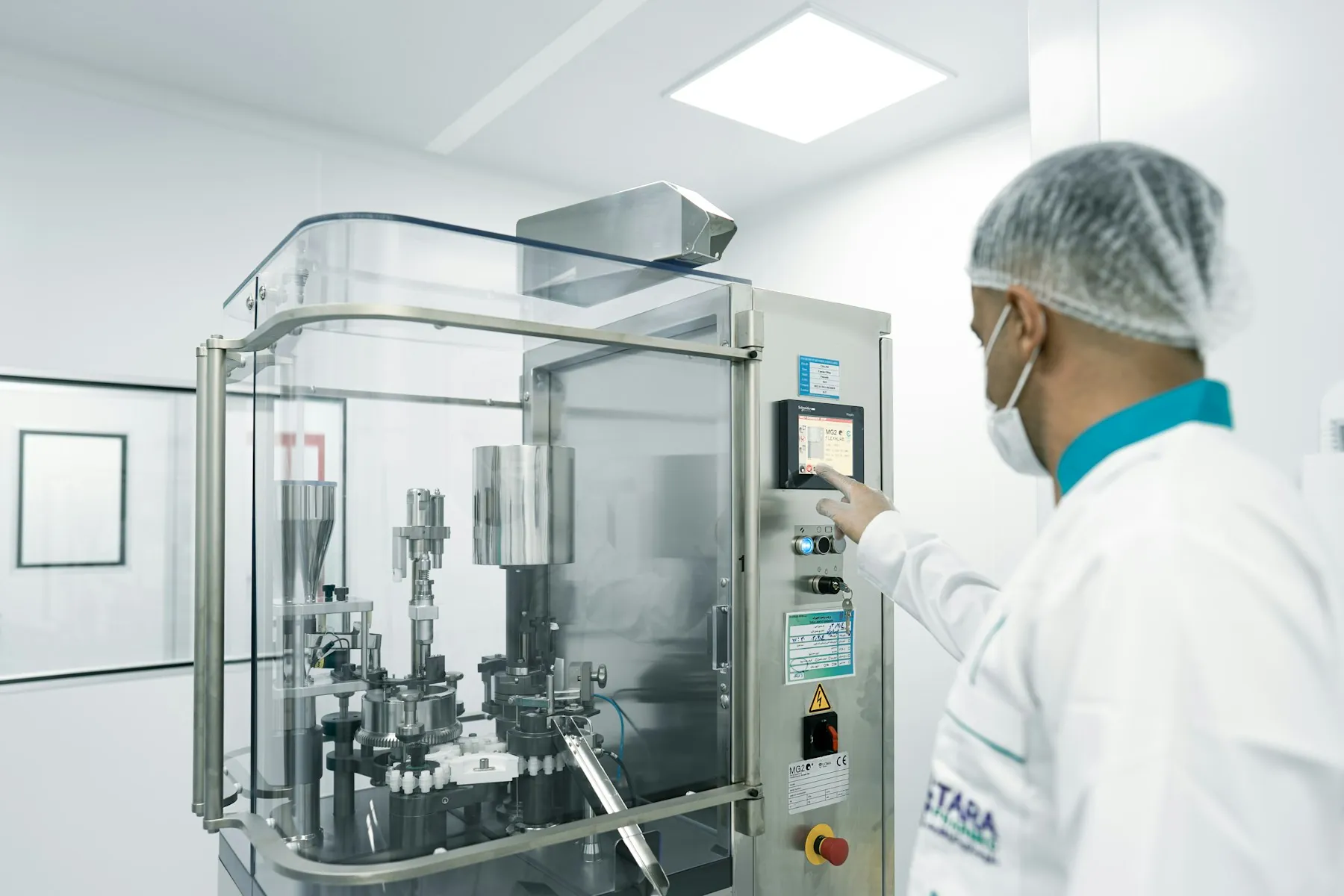
Let CIP, GMP and cleanroom rules be applied with the same accuracy on every shift.
When an operator asks "can we start?", the answer comes from the SOP with the clause number. Deviations are recorded, the quality team sees them instantly; records are ready for the audit.
- CIP / SIP and start-up checksReads pH, temperature and time limits from the SOP; if out of limit, it does not start production and lists the actions.
- Deviation & CAPA recordsLogs an out-of-limit measurement on the quality deviation form and shows similar past events for root cause.
- Cleanroom and hygiene rulesGowning order, pressure differential, cleaning intervals; a sourced answer to every question.
- Hygiene inspection by cameraMissing hairnet, mask or gloves and restricted-zone violations land with the shift supervisor instantly.
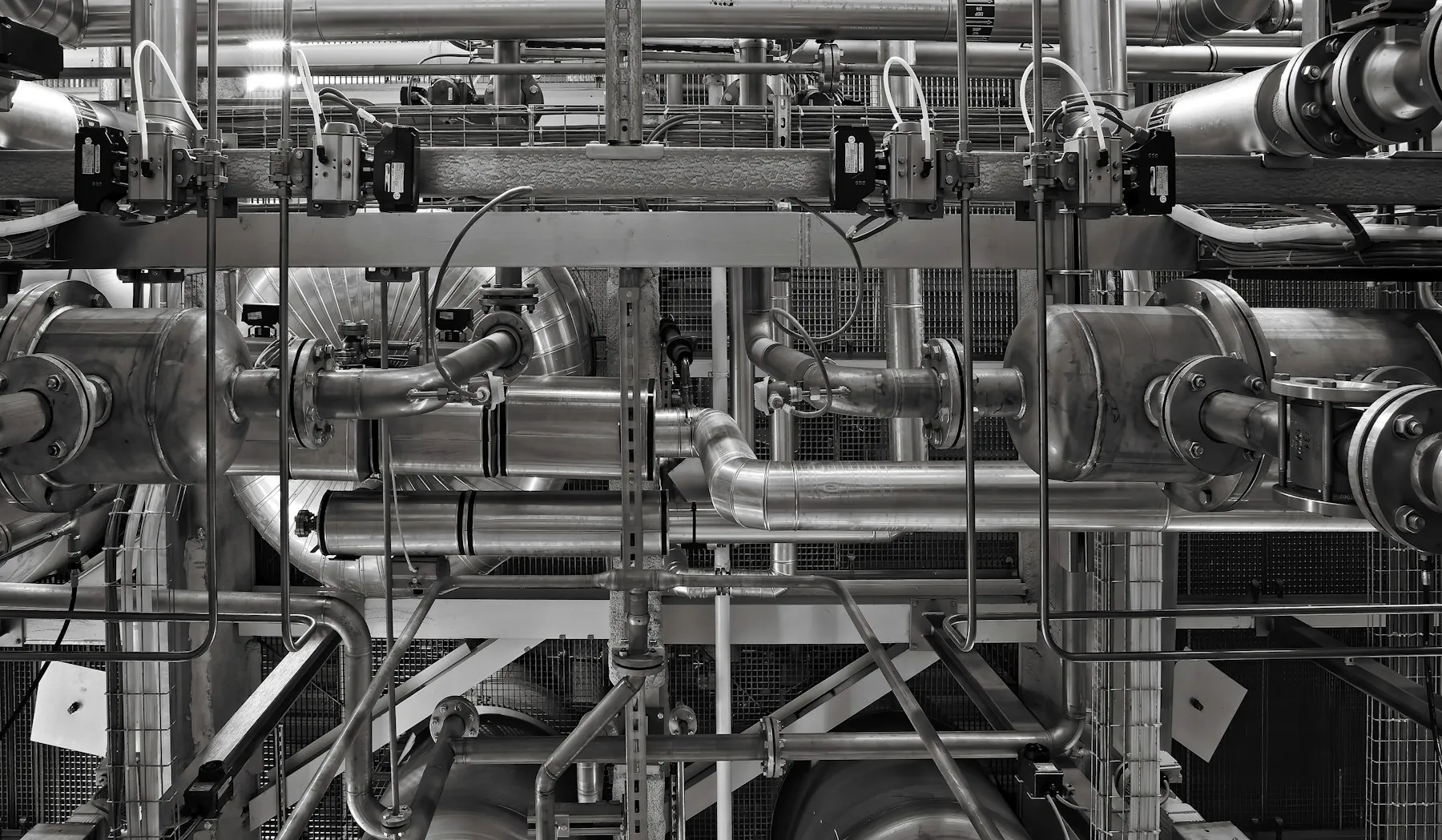
No "I am not sure" in hazardous areas: lockout, permit and emergency steps in seconds.
Lockout-tagout (LOTO), work permits and MSDS information come with one question. Camera and gas sensor data show hazards before they grow.
- LOTO and work permitsWhich equipment is isolated in which order; it will not start if the permit form is missing.
- MSDS and chemical compatibility"Can these two materials mix in the same tank?" answered from the safety data sheet.
- Leak and gas alertsWhen a sensor threshold is exceeded or a camera sees vapor or a leak, an alert comes with the emergency SOP.
- Emergency drills and recordsEvacuation steps, assembly point and the post-incident report are compiled automatically.
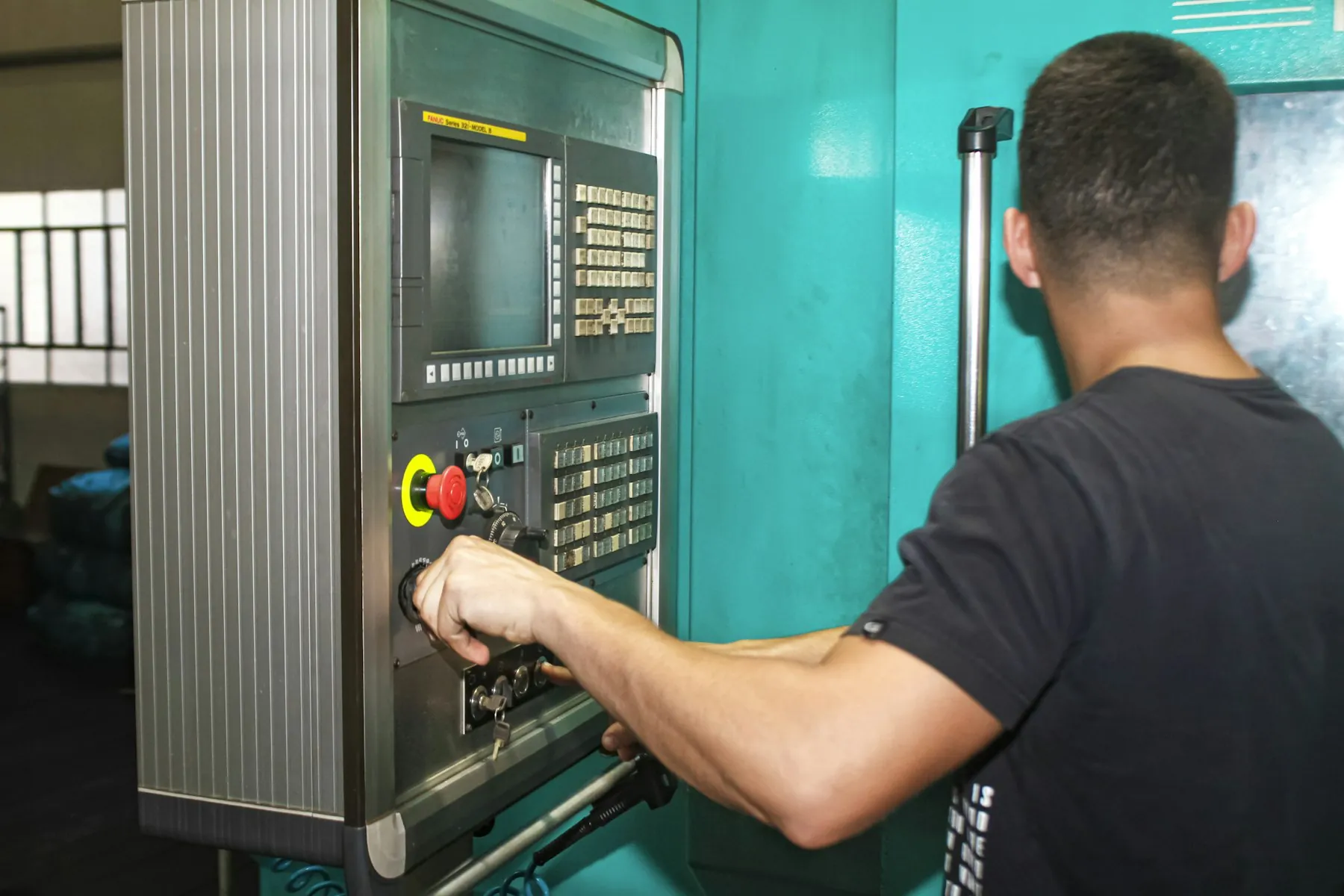
When an alarm code appears, do not wait for the foreman; the manual page and fix steps are in the operator's hands.
In CNC, press and welding cells it reads the error code, lists the manual steps, remembers how it was solved before. When spindle vibration exceeds the threshold, it schedules maintenance.
- Alarm and error codesMeaning of the code and a checklist from the machine manual; once the fix is verified, it goes into memory.
- Tool and setup changesPart recipe, offsets and torque values; step by step, with photos.
- Predictive maintenanceSpindle, bearing and pump vibration; a planned-stop suggestion before failure.
- Quality measurement supportLikely causes and first checks for out-of-tolerance measurements.
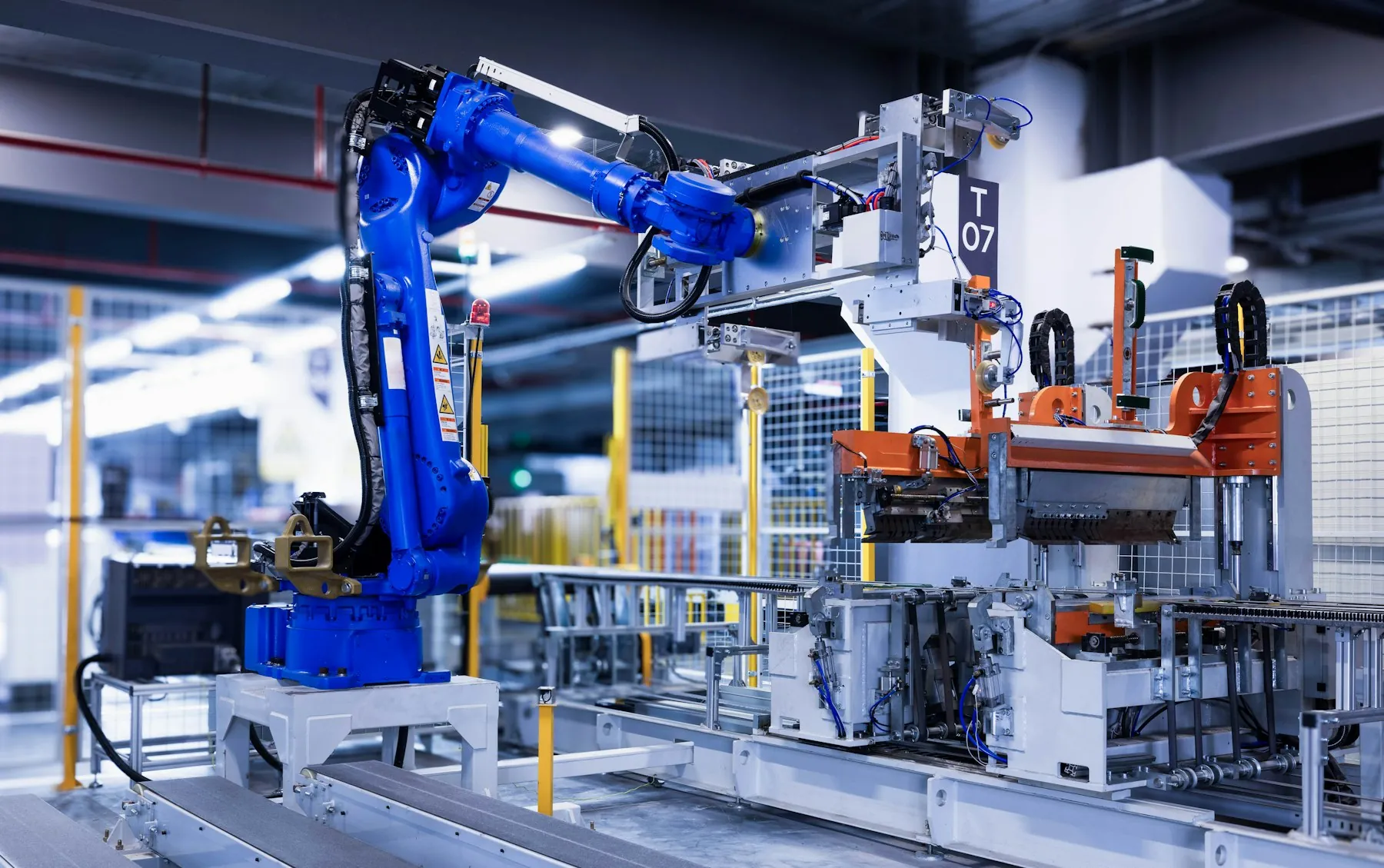
When the line stops, minutes cost millions; have the answer and the spare part ready.
Resolves line-stop causes quickly in robot cells, press lines and assembly; answers Andon calls with sources, reports takt loss, schedules maintenance.
- Line stops and AndonFirst-response steps and responsible team by stop code; resolution time is recorded.
- Robot and PLC faultsRobot error code, PLC alarm and similar events of the last 30 days on one screen.
- Predictive maintenanceVibration/temperature monitoring and planned stops for robot axis motors, conveyors and presses.
- Safety camerasAlerts on unauthorized entry to robot cells, missing PPE and forklift-pedestrian proximity.
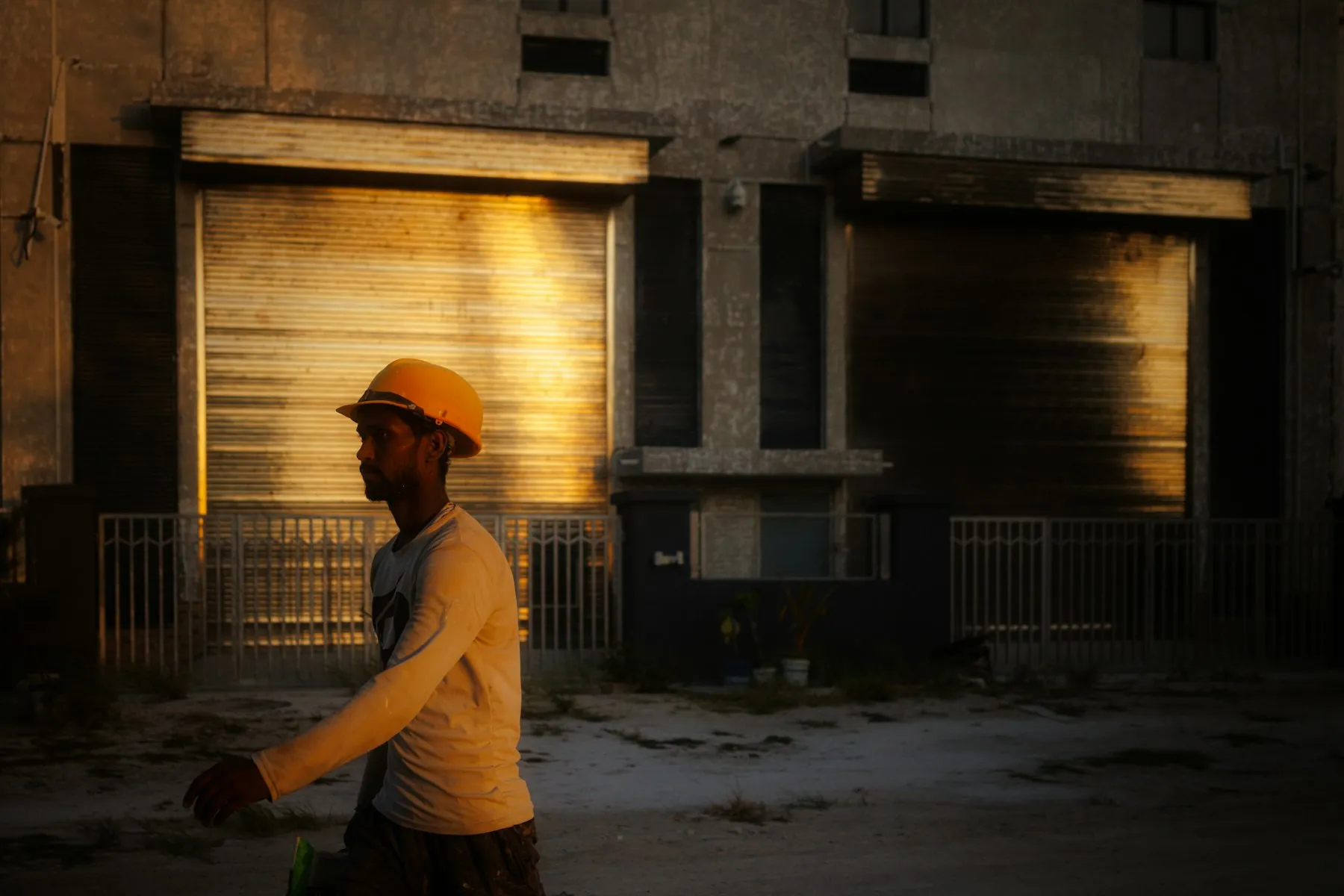
In remote, high-risk work: the right procedure, the right PPE, a recorded permit.
Work permits, isolation steps and PPE rules for transformers, turbines and pits on the field tablet; cameras and sensors monitor hazardous areas and report equipment health.
- Permit-to-work systemPermit steps and checklists for work at height, confined spaces and electrical work.
- Equipment healthTurbine, compressor and belt conveyor sensors; a maintenance plan before failure.
- Hazardous area monitoringRestricted zones by camera, ambient alerts by gas sensor; instantly to the shift supervisor.
- Shift handoverEvents, open work orders and risks of the day automatically in the handover report.
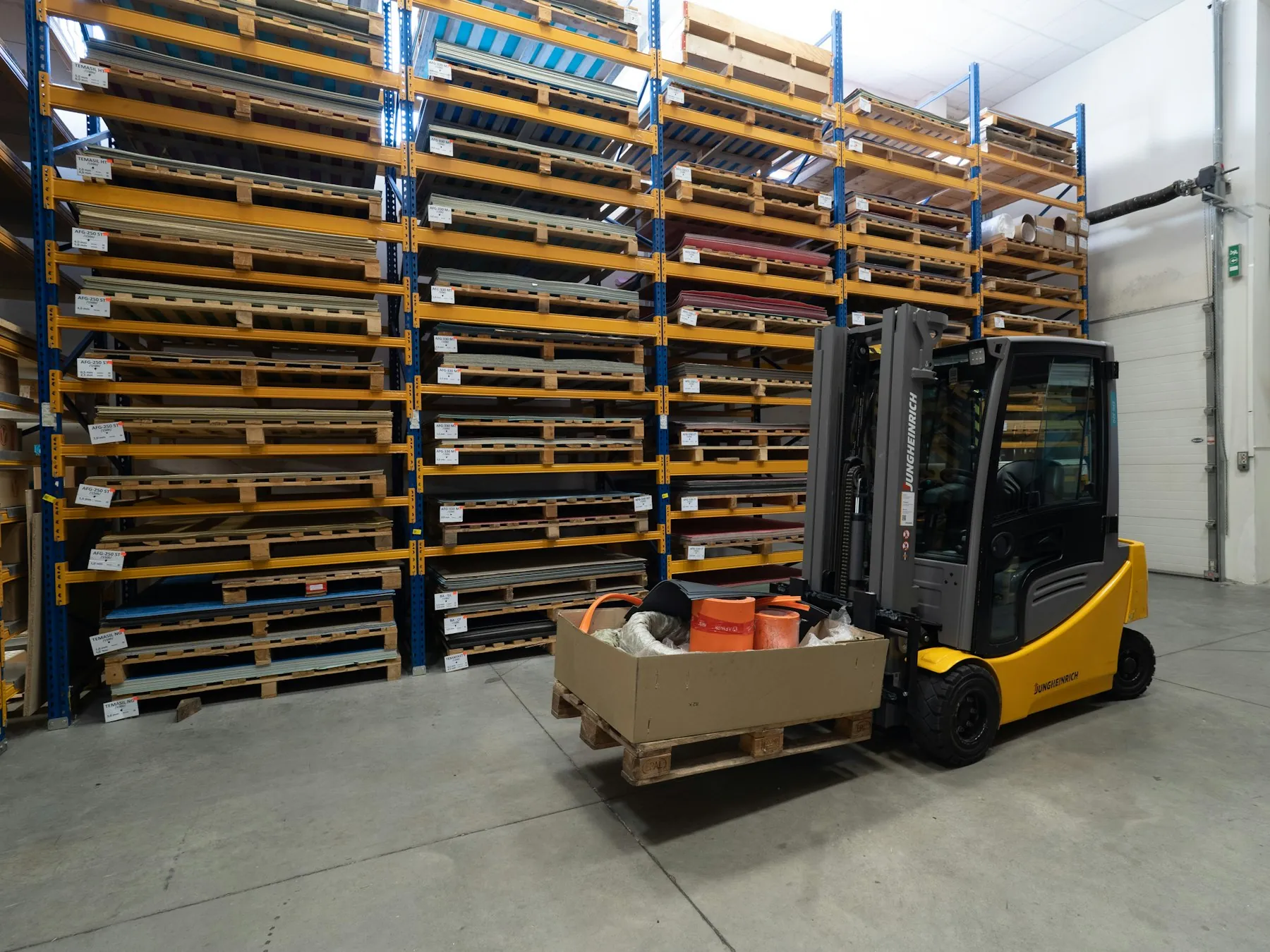
Forklift, racking and shipping rules in everyone's pocket; alerts before a violation.
Answers racking and picking-route questions with WMS data; cameras see forklift speed, pedestrian-zone violations and rack damage; forklift maintenance is scheduled.
- Forklift and pedestrian safetyCamera alerts on speeding, pedestrian-zone entry and missing seat belts.
- Racking, slotting and picking"Where does this pallet go?" answered from the WMS; loading and stacking rules.
- Forklift maintenancePlanned maintenance from operating hours, battery and brake data; fault log.
- Shipping checklistVehicle loading, seal and document steps; shipping does not start with a gap.

The site changes every day; keep the rules constant, with PPE and work-at-height checks by camera.
Work permits, work-at-height and crane operation steps on the phone; site cameras spot missing helmets, vests and harnesses, and the daily site report builds itself.
- PPE and work at heightAlerts on missing helmet, vest or harness and unguarded edges.
- Cranes and heavy machineryLift plan, load chart and safety zone; machine health data.
- Work permitsHot work, excavation and confined-space permit steps and signature checks.
- Daily site reportEvents, alerts, progress and open items; one report for the site manager.
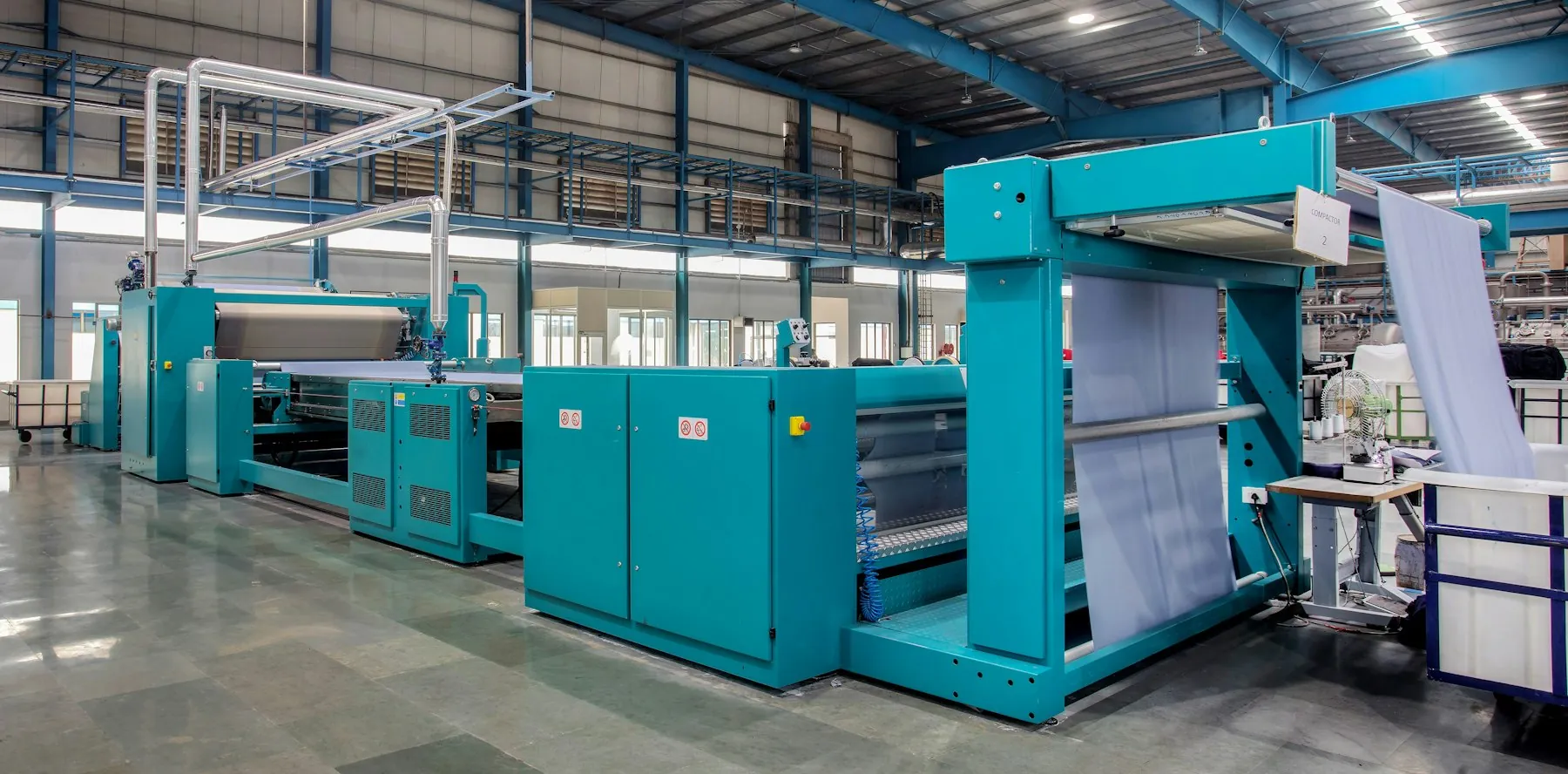
Machine recipes, settings and scrap causes; knowledge stays with the machine even when the foreman changes.
Answers product recipe and parameter questions on injection, extrusion and weaving machines, lists causes of scrap and quality deviations, schedules mold and machine maintenance.
- Recipe and parametersTemperature, pressure, speed and time values per product; change log.
- Scrap and quality deviationsLikely causes and first adjustments for flash, sink marks, yarn breaks and similar defects.
- Mold and machine maintenancePlanned maintenance from cycle counts and sensor data; mold history.
- Line monitoring by cameraMachine safety zones, stop detection and shift performance.
An unsolved question is never lost; an expert solves it and the answer returns to corporate memory.
One topic per chat. The operator asks, AI answers from the documents; an expert marks it "solved / unsolved". An unsolved question becomes a ticket with a root-cause tag; once solved, it enters memory as a verified answer, ready for the next question. The topic heatmap shows which document is missing and what is asked most.
- 1
Question
chat screen · phone, tablet, terminal - 2
AI answer
sourced from documents + database - 3
Review
expert verifies - 4
Ticket
with a root-cause tag if unsolved - ∞
Corporate memory
ready for the next question
Cameras inspect the site, sensors predict failures
Your existing IP cameras and PLC/SCADA data connect to NexOps. Violations and risks reach the shift supervisor instantly; when an equipment trend approaches the threshold, a planned stop and work order are suggested. Data shown is illustrative.
It does not identify people; it detects missing PPE, restricted zones, forklift-pedestrian proximity, leaks and smoke, and opens an incident record with a video clip.
Vibration, temperature, current and cycle data are monitored; threshold and trend are evaluated together, and a planned stop is suggested before failure.
Start with a pilot line, scale in four steps
- 01
Feed
SOPs, instructions, machine manuals, maintenance records and databases. NexOps speaks only from these sources and shows them.
- 02
Put it on the floor
Tablet, phone or line terminal; it opens from the QR code next to the machine. Ask by typing, speaking or with a photo.
- 03
Connect
PLC/SCADA and sensors, IP cameras, MES, ERP and CMMS. Alerts and work orders are created in your existing systems.
- 04
Run the loop
Review, tickets and corporate memory; write the missing documents using shift reports and the heatmap, scale from the pilot line to the plant.
Live at a radiopharmaceutical production facility
On the NexOps infrastructure we built for cleanroom and isolator operations, operators ask in chat and answers come from the facility's documents. Unsolved questions become tickets with root-cause tags; the heatmap shows missing documentation. A VR training simulation runs alongside NexOps at the same facility.
Unplanned downtime is the most expensive minute; if knowledge stays with people, every shift learns again
These figures are measurements by independent institutions and industry reports, not NexOps results; your plant's outcome depends on lines, equipment and data scope. Sources: Siemens True Cost of Downtime 2024; NIST, "Research suggests significant benefits of investing in advanced machinery maintenance".
Common questions
Can NexOps give a wrong answer?
No. It only speaks from your SOPs, instructions, manuals and connected systems (MES, CMMS, sensors), and shows the source with every answer. On unknown topics it never makes things up; it says "I am converting this to a ticket", an expert solves it, and the verified answer enters corporate memory.
Does our data leave the plant?
No. NexOps runs on-premise or in your own cloud; SOPs, camera footage and sensor data never leave. A fully isolated (air-gapped) installation is available for sensitive sectors such as defense, pharma and chemicals.
Does camera inspection violate employee privacy?
The system does not identify people; it analyzes PPE, zones and behavior patterns. Retention period, blurring and access rights are defined with you in line with KVKK; employee notification is part of the rollout.
Which sensors and cameras are needed?
In most plants, existing PLC/SCADA data and IP cameras are enough. For critical equipment without vibration, temperature or current sensors we add cost-effective wireless sensors; the scope is defined in the discovery phase.
How do operators use it?
From a tablet, phone, line terminal or desktop; it opens via the QR code next to the machine. Operators ask by typing or speaking and can send photos. It works in Turkish and your workforce's languages.
Does it connect to our MES, ERP and maintenance (CMMS) systems?
Yes. Connections for opening work orders, recording stops and querying stock and spare parts in MES/ERP/CMMS are ready; other systems are connected via API. In the discovery call we list your current systems together.
How long does setup take?
If documents are ready, the Q&A assistant is on the shop floor within a few weeks. Camera analytics and predictive maintenance go live on a pilot line in 4–8 weeks depending on sensor scope, then scale.
How is it priced?
Annual license + setup based on the number of plants and lines and the camera/sensor scope. Starting with a pilot line and scaling on results is the most common path; we plan it together in a 30-minute call.
See NexOps with your own SOPs, on your own line
In a 30-minute call we start with one line and a few documents; let the assistant answer your operator's question from your own sources.