
Diagnoses the fault,
sends the right technician.
A sensor alarm or a customer call; the agent classifies the fault, derives the probable cause from past interventions, matches the part and skill needed and suggests the best technician with the route. Step-by-step procedure and device history for the technician, SLA and warranty checks for the service manager. Work order assignment and out-of-warranty charging decisions always rest with service management.

It takes over diagnosis and planning; the service team focuses on the field
The agent learns fault records, device history, part stock and technician skills; suggests the right match to reduce second visits, tracks SLA and warranty, and brings the service manager only the work that needs a decision.
Fault classification and probable cause
Classifies the customer call or IoT alarm by fault type; ranks probable causes by likelihood from past interventions on the same device family and prepares a checklist for the technician.
"Compressor temperature alarm → fan motor 78%, dirty condenser 14%"Spare part and skill matching
Searches the warehouse and van stock for the part the probable cause needs; determines the competence required (certificate, device training). If the part is missing, suggests an alternative with the supply time.
"Fan motor FM-220: 3 in Izmir warehouse · refrigeration certificate required"Best technician and route
Suggests a technician by skill, distance, current workload and SLA time; reorganizes the day's route and informs the customer of the estimated arrival. The assignment decision rests with the service manager.
"Technician Mehmet · 40 min · after today's 2nd job"Procedure and intervention history for the technician
Brings the device's 23 past interventions, the step-by-step check procedure, diagram and safety notes to the technician's mobile screen; answers questions asked in the field from the manual.
"Step 4/9: fan relay check · last replaced 14 months ago"SLA and warranty checks
Checks the SLA time in the customer contract and the device's warranty status on every work order; warns about SLA breach risk in advance and prepares a charging suggestion for out-of-warranty work.
"SLA 8 hours · 5 h 20 min left · under warranty"Service report and second-visit risk
Drafts the service report from the technician's field notes and the replaced part; flags recurring fault patterns and second-visit risk and makes suggestions to maintenance planning.
"Report draft ready · second-visit risk: low"A sample day with the field service agent
A representative working day: from the sensor alarm to the service report, which work the agent prepares alone and which it submits for the service manager's approval. Every intervention outcome is taught to the next similar fault.
- Sensor: compressor temperature alarm
Cooling unit SU-1187 in Izmir reported above-threshold temperature. The agent opens the device record, the contract and the 23 past interventions. - Probable cause: fan motor failure (78%)
A similar alarm pattern in the same device family was closed 11 times with a fan motor. Second possibility a dirty condenser (14%). A checklist is prepared for the technician. - Part in stock, technician 40 minutes away
Fan motor FM-220: 3 in the Izmir warehouse. Of the 2 refrigeration-certified technicians, Mehmet is 40 minutes away, free after his second job. SLA 8 hours, under warranty. - Service manager approved the work order
The manager reviewed the suggestion and assigned Mehmet; instruction to the warehouse to load the part into the van. The customer was told an estimated arrival of 11:30. - Technician on site: procedure and history on screen
In the mobile app: the 9-step check procedure, wiring diagram and the last fan replacement (14 months ago). At step 4 the fan relay was found faulty; motor and relay replaced. - Service report draft ready
Report from the field notes and replaced parts; under warranty, no charge. Second-visit risk low; condenser cleaning added as a suggestion for the next periodic maintenance. - Daily summary to the service manager
14 work orders: 11 closed on the first visit, 2 waiting for parts, 1 SLA risk prioritized for tomorrow morning. 3 recurring-fault suggestions to maintenance planning.
A compressor temperature alarm arrives from a cooling unit; the agent classifies the fault, derives the probable cause from 23 past interventions, matches part stock and the nearest suitable technician, checks SLA and warranty and presents a work order suggestion to the service manager.
Kompresör sıcaklık alarmıclassifiedFan motoru %78 · kondenser %14from historyFM-220 · İzmir depo: 3 adetin stockMehmet · 40 dk · soğutma sertifikalıawaiting approval8 saat · kapsam içicheckedHow does it work in your company?
Pick your industry to see which work the field service agent takes over and how it works with your team.
Hundreds of calls a day; a second visit with the wrong part is the most expensive mistake.
Turns the complaint in the call-centre record into a fault type, derives the probable cause from the model and history, matches the part with van stock; organizes regional technicians' daily routes, clarifies warranty and extra charge status during the call.
- Fault type from the callTurns phrases like "not cooling, making noise" into a model-based fault type.
- Van stock matchingChecks whether the needed part is in the technician's van; loading list if not.
- Daily routeOrders regional technicians' appointments by distance and SLA.
- Warranty and charge informationStates the warranty status during the call, submits the out-of-warranty charge estimate for approval.
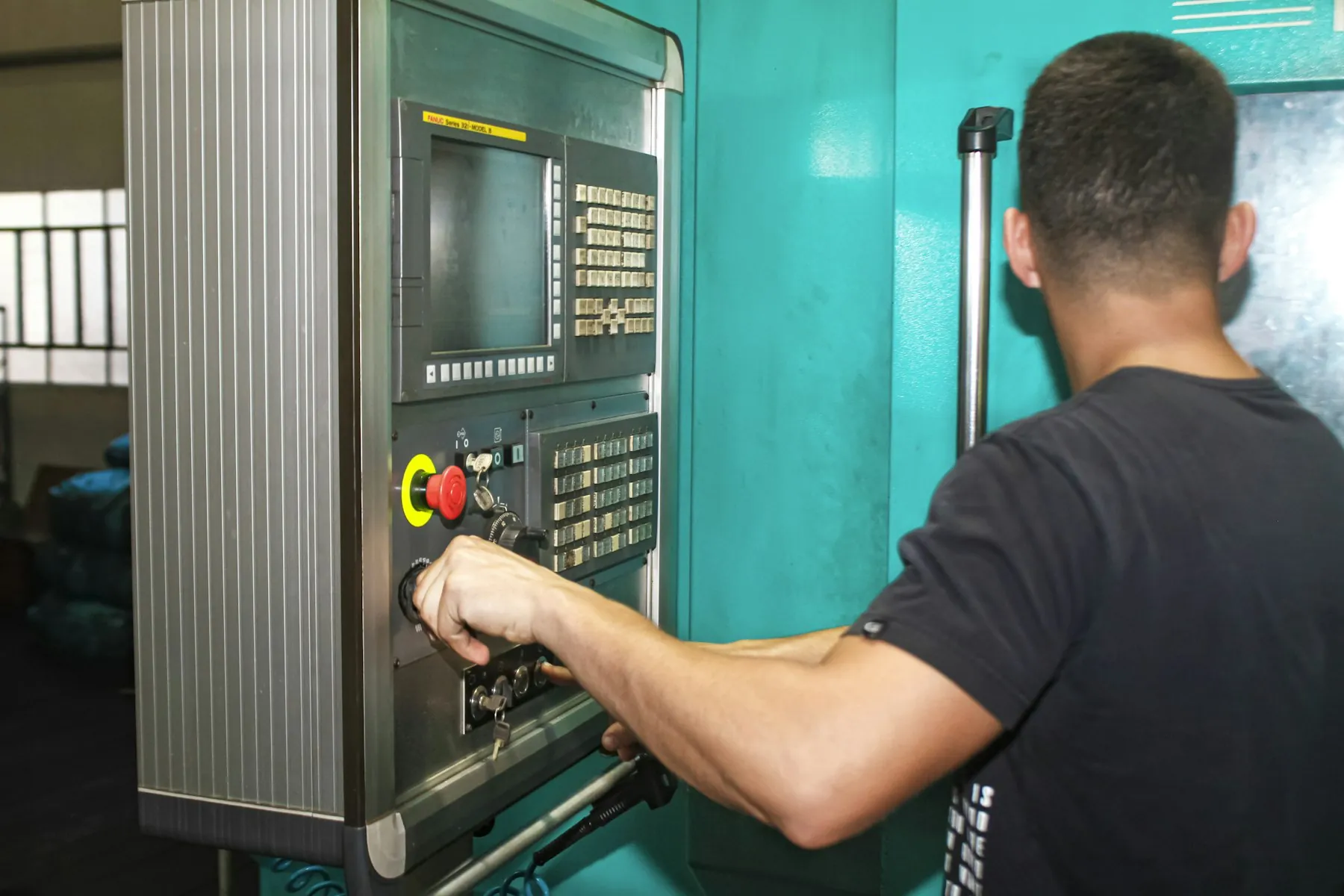
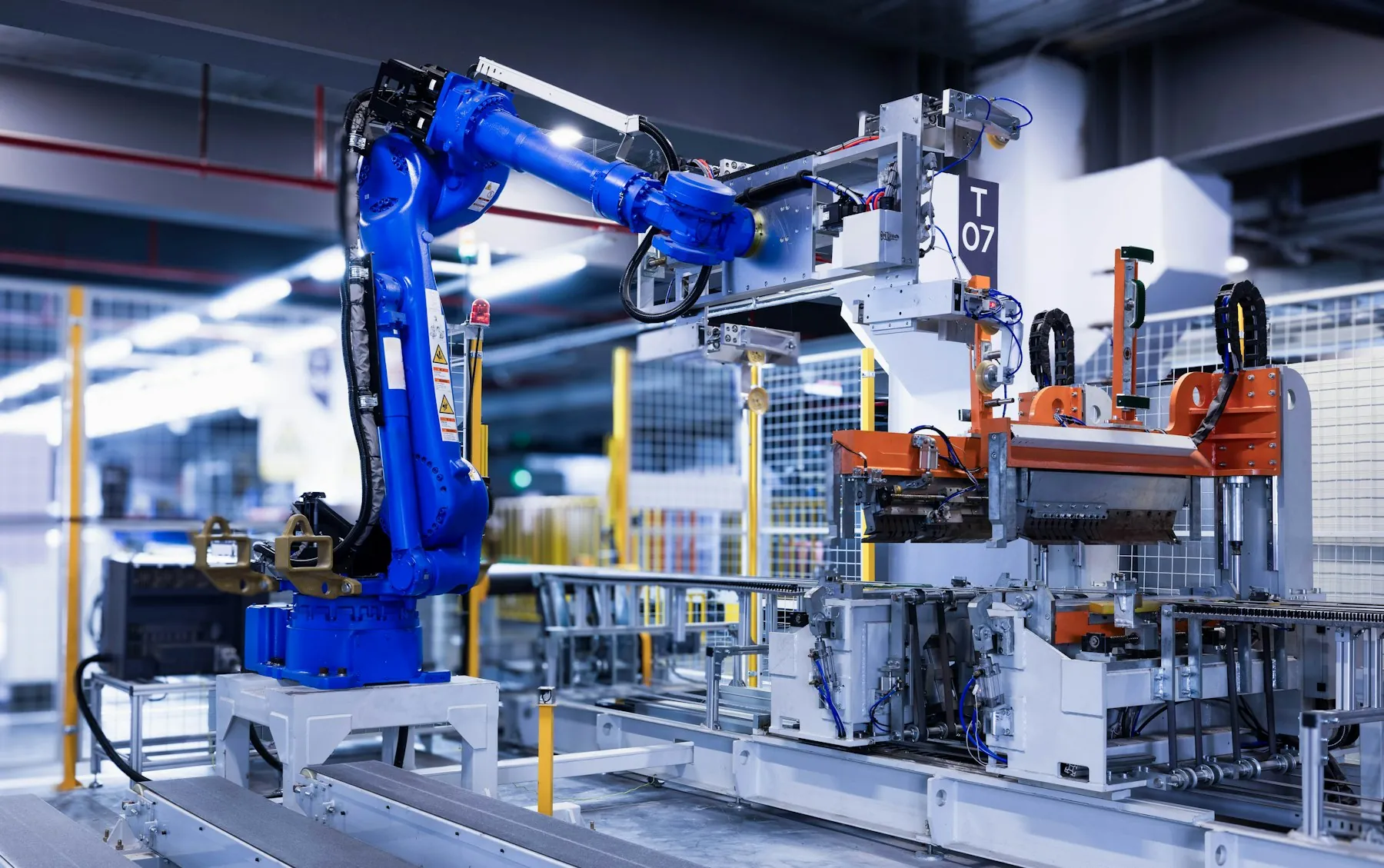
The customer's line is down; diagnosis, part and expert technician should be ready at once.
Matches machine PLC and sensor data with the fault code, derives the probable cause from past interventions and service bulletins; separates faults that remote support can solve, suggests a technician with the expertise and part if a site visit is needed; tracks the response time in the contract.
- PLC and fault codesMatches the machine fault code and sensor history with the probable cause.
- Remote support triageFlags faults that can be solved by phone before sending anyone to site.
- Expert technician matchingSuggests a technician by machine-type training and certificate.
- Contract response timeTracks the SLA in the customer contract, warns about risk in advance.

An entrapment call counts the minutes; the nearest authorized technician should be obvious instantly.
Prioritizes emergency calls (entrapment, door faults) and suggests the nearest authorized technician with the route; opens past interventions and periodic maintenance records from the building and lift identity; tracks statutory inspection and maintenance dates.
- Emergency call priorityPuts the entrapment call on top, suggests the nearest authorized technician.
- Building and device historyBrings past fault and maintenance records to the technician from the lift identity.
- Periodic maintenance trackingTracks statutory inspection and maintenance dates, reminds planning.
- Part and overhaul suggestionsReports the need for an overhaul to maintenance planning on recurring faults.

Scattered sites, long roads, few experts; every visit with the right part and route.
Classifies SCADA alarms and field crew reports by fault type; combines visits to remote sites and plans the route, matches the required part and OHS competence; prioritizes by production loss risk.
- SCADA alarm classificationMatches the alarm with the probable cause by fault type and past patterns.
- Visit combiningGroups open work orders in the same region into one route.
- OHS competence matchingMatches requirements such as working at height and HV authorization with the technician.
- Production loss prioritySuggests the work order sequence by loss risk.
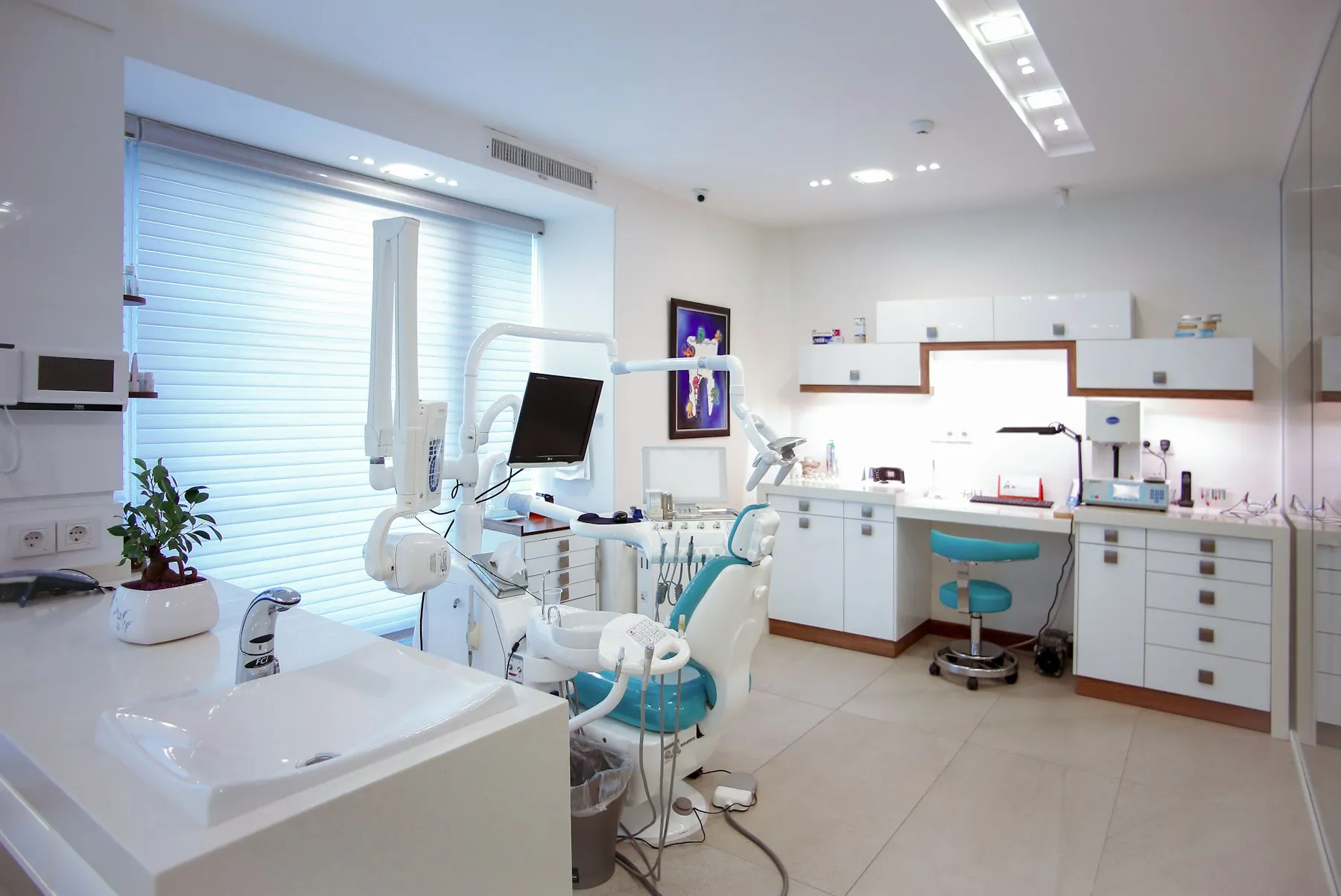
A device fault affects the patient schedule; authorized technician, calibration and records must be complete.
Classifies the fault reported by the hospital biomedical unit with the device identity, derives the probable cause from manufacturer bulletins and history; matches the authorized service technician and part; tracks calibration and periodic check dates, keeps the intervention record compliant with regulation.
- Classification by device identityMatches the fault with the device model and manufacturer bulletins.
- Authorized technicianSuggests a technician with manufacturer training and authorization.
- Calibration trackingTracks and reminds about calibration and periodic check dates.
- Compliant recordsKeeps the intervention report complete for traceability.
Four steps, in-house
- 01
Connect
IoT/SCADA, service management, ERP (stock, warranty, contracts), map/routing and the technician mobile app are connected; device records, service procedures and past intervention records are uploaded.
- 02
Teach
Rules are defined with the service team: fault classes, technician skill matrix, SLA and warranty rules, which work orders are suggested automatically and which go to the manager for approval.
- 03
Run
The agent classifies alarms and calls, derives the probable cause and part, suggests a technician and route; work order assignment and out-of-warranty charging are always finalized with service management approval.
- 04
Improve
Every intervention outcome (actual cause, replaced part, duration) is written to corporate memory; the probable-cause estimate sharpens with every closed work order, and recurring faults are reported to maintenance planning.
The agent works; decisions stay with the company
Every agent runs on-premise or in your own cloud; what it may do alone and what it submits for approval is defined by the authority matrix.
Runs in-house
Device, customer and sensor data never leave the company; the agent runs on-premise or in your own cloud. Customer contract and location data are protected under KVKK rules.
Authority matrix
What the agent does alone and what it submits for approval: defined by work order type, amount and role. Technician assignment and out-of-warranty charging always rest with service management.
Source and trail for every diagnosis
Which past interventions the probable cause rests on, which data produced the part and technician suggestion: the agent shows it. Every alarm, work order and decision is recorded with a timestamp.
Human in the loop
A diagnosis is a probability; the final call is the technician's on site and the assignment is the service manager's. The agent ranks, matches and reminds; it never skips a safety step.
The field service agent grows with Nexage solutions
 Service & Field OperationsWork orders, technician calendar and mobile field screens; the module the agent works on.
 NexOPSPredictive maintenance and operations flows; this platform triggers the maintenance work order before the fault happens.
 Asset & InventoryDevice records, warranty and spare-part stock; the source for the agent's part and warranty checks.
Common questions
Does it work without IoT or sensor data?
Yes. The agent starts from the call-centre record, e-mail or a technician report; it classifies the fault from the customer's description and the device history. When IoT/SCADA is connected the same flow is triggered by the alarm; both sources also work together.
Which mobile app do technicians use?
If you have an existing service management app it integrates with it; otherwise the mobile screen of the Nexage Service & Field module is used. The technician sees the work order, procedure, device history and route on the phone and enters field notes and photos on the same screen.
How are warranty and SLA rules defined?
Customer contracts and warranty conditions (period, coverage, exclusions) are defined as rules together with the service team and matched with the warranty record in the ERP. The agent checks them on every work order; unclear cases go to service management for a decision.
How reliable is the probable-cause estimate?
The estimate is produced as a likelihood from past interventions on the same device family and the source records are shown; it gives the technician a checklist, not a verdict. The final diagnosis belongs to the technician on site; every closed work order sharpens the estimate.
Does the agent assign technicians by itself?
No. It suggests by skill, distance, workload and SLA; the assignment stays with the service manager or dispatcher. On emergency calls the suggestion is prioritized and presented instantly, and approval is one click.
Where is device and customer data stored?
Data stays on-premise or in your own cloud; nothing is transferred outside. Customer location and contract data is opened only to the relevant roles by the authority matrix, and every access is logged.
How long does setup take and how is it priced?
Usually 4–8 weeks including system connections, device records and rule definition; it varies with the scope of IoT integration. Pricing is an annual license + setup based on the number of technicians, monthly work order volume and connected systems; a firm quote follows discovery.
See the field service agent with your own fault records
In a 30-minute demo we run a few real fault records from last month together; see with your own eyes how the agent derives the probable cause, matches the technician and part, and what it leaves to the service manager.